Jeff Bezos Predicts AI Will Create Labor Shortages, Not Job Losses
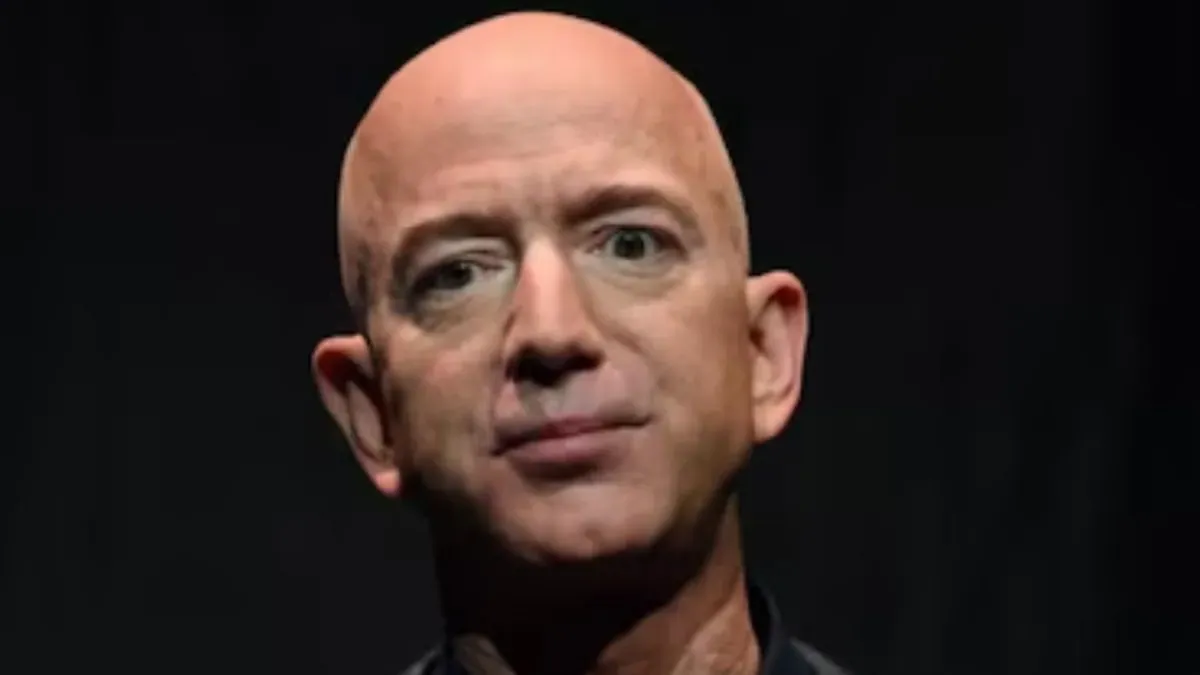
At the VivaTech conference in Paris, Amazon founder Jeff Bezos expressed optimism about artificial intelligence, predicting it will create labor shortages by increasing demand for workers rather than causing mass unemployment. He highlighted his AI startup Prometheus, aimed at accelerating physical manufacturing, and emphasized AI's potential to lower barriers for entrepreneurship and innovation. While some companies have announced AI-related job cuts, Bezos contrasted this with his view that AI will unlock new opportunities and expand human roles, also discussing his space venture Blue Origin and long-term space exploration goals.
First-hand measurement across 6 sources
We measured how 6 outlets covered this story. Coverage leans balanced overall (Left 0%, Centre 100%, Right 0%). Overall sentiment is positive (72/100). Lens Score 33/100 — low public interest.
Outlets analysed (first-hand measurement by TBN's Bias Engine):
- thefinancialexpress— balanced framing, positive sentiment
- mint— balanced framing, positive sentiment
- ndtv— balanced framing, positive sentiment
- thehindu— balanced framing, positive sentiment
- news18— balanced framing, positive sentiment
- economictimes— balanced framing, positive sentiment
AI Analysis
The article group presents a range of perspectives, primarily focusing on Jeff Bezos's optimistic view of AI's impact on employment, contrasting it with concerns from other political and technology leaders about job displacement. Sources include statements from Bezos and references to broader industry trends, reflecting both pro-technology enthusiasm and caution regarding AI's effects on labor markets without favoring any political ideology.
The overall tone across the articles is cautiously optimistic, emphasizing Bezos's positive outlook on AI creating new job opportunities despite acknowledging existing fears and reports of AI-related layoffs. Coverage balances hopeful projections about technological advancement with recognition of current workforce challenges, resulting in a mixed but generally forward-looking sentiment.