Skip to content
Get the Balanced News app for a better experience!
The Balanced News Logo
Analytics
The Balanced News Logo

Stay Balanced, Stay Informed

Menu
  • Browse News
  • Underreported Stories
  • Curated Feeds
  • Insights
  • Analytics
  • Our Writers
  • About Us
  • Download App
Learn
  • How It Works
  • Bias Detection
  • Lens Score
  • Source Bias Checker
  • Accountability
  • Custom Feeds
Newsroom
  • Writers & Analysts
  • About TBN
  • Editorial Standards
  • Corrections Policy
  • Our Partners
  • Insights
Socials
  • Youtube
  • Instagram
  • X
  • Facebook
News Categories
  • Trending
  • Politics
  • Sports
  • Business
  • Tech
  • Entertainment
  • Health
  • Science
  • Crime
  • Lifestyle
  • National
  • International
  • Good News
  • Crypto

Get Our App

Available for iOS and Android


LensFeedsInsightsAnalyticsTrendingGood NewsSportsPoliticsBusinessCrimeTechEntertainmentHealthNationalInternational

© 2026 The Balanced News. All rights reserved.

About UsEditorial StandardsCorrectionsHelp & SupportPrivacy PolicyTerms & Conditions
Psychology Explains Motivations Behind Common Habits and Lifestyle Choices
Categories

Categories

Related Coverage

Select a news story to see related coverage from other media outlets.

Related Coverage

Select a news story to see related coverage from other media outlets.

  1. Home
  2. /
  3. social

Psychology Explains Motivations Behind Common Habits and Lifestyle Choices

Analysed 24 Jun 2026·4 sources analysed·social
Psychology Explains Motivations Behind Common Habits and Lifestyle ChoicesPreviousNext

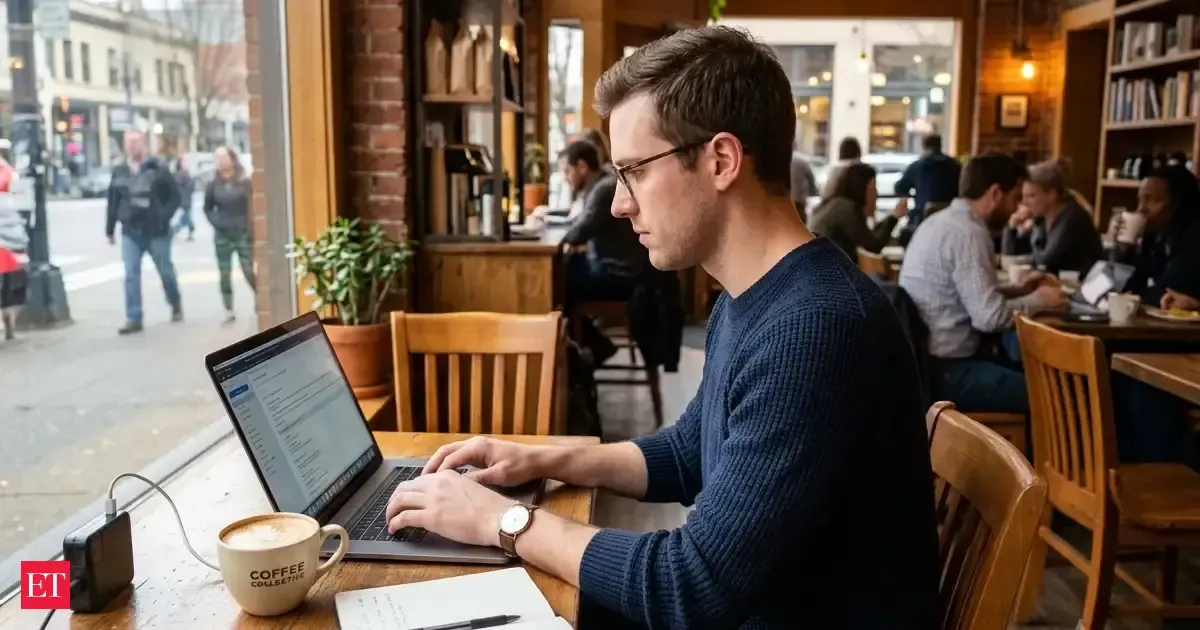
Psychology explains that common habits like working from coffee shops, ordering takeout frequently, carrying oversized reusable water bottles, and traveling on high-end bikes often reflect underlying motivations such as focus, convenience, routine, curiosity, and personal growth. These behaviors are linked to environmental cues, time management, mental energy conservation, and the desire for discovery rather than avoidance of responsibilities or laziness. Understanding these habits highlights how people adapt their environments and choices to support productivity, health, and emotional well-being.

TBN's observations

First-hand measurement across 4 sources

We measured how 4 outlets covered this story. Coverage leans balanced overall (Left 0%, Centre 100%, Right 0%). Overall sentiment is positive (74/100). Lens Score 22/100 — low public interest.

Outlets analysed (first-hand measurement by TBN's Bias Engine):

  • economictimes— balanced framing, positive sentiment
  • economictimes— balanced framing, positive sentiment
  • economictimes— balanced framing, positive sentiment
  • economictimes— balanced framing, positive sentiment
Political Bias
0%100%0%
Sentiment
74%
AI analysis of 4 sources · Published under editorial oversight by The Balanced News
Analysed 24 Jun 2026· How this analysis is produced· Editorial standards· Corrections

AI Analysis

Political bias across 4 sources
● Left 0%● Center 100%● Right 0%

The article group presents a neutral, psychology-based perspective focusing on individual behaviors and motivations without political framing. The sources emphasize scientific explanations and human factors such as motivation, routine, and curiosity, avoiding political or ideological interpretations. The coverage is consistent in attributing behaviors to psychological principles rather than societal or political influences.

Sentiment — Positive (74/100)

The overall tone across the articles is positive and explanatory, aiming to clarify common misconceptions about everyday habits. The sentiment is constructive, highlighting adaptive and beneficial aspects of behaviors like working in cafes or ordering takeout. There is no negative or critical language; instead, the coverage promotes understanding and empathy toward these lifestyle choices.

How 4 sources covered this story

Reviewed byAniket Awate· Culture & Digital Media Writer· Edited byOjas Kale
← Previous
Psychology Explains Selective Social Engagement and Reduced Online Sharing
Next →
Investigation Underway Into Tiger Attack and Possible Shooting in Madhya Pradesh

Each source's own headline, political lean, and sentiment — so you can see framing differences at a glance.

SourceTheir headlineBiasSentiment
economictimesPeople who order takeout several times a week aren't lazy: What psychology says about this common habitCenterPositive
economictimesPsychology says people who drink from oversized reusable water bottles all day aren't just staying hydrated: What this daily habit may revealCenterPositive
economictimesPsychology says people who travel on high end bikes to check out unexplored places aren't always escaping life - They may be driven by curiosity and personal growth. What this behavior reveals?CenterPositive
economictimesPsychology says people who work from coffee shops aren't trying to escape work: The real reason behind this habitCenterPositive

Coverage timeline

economictimes broke this story on 24 Jun, 03:16 pm. Other outlets followed.

  1. 1
    economictimes24 Jun, 03:16 pm
    Psychology says people who work from coffee shops aren't trying to escape work: The real reason behind this habit
  2. 2
    economictimes24 Jun, 05:50 pm
    Psychology says people who travel on high end bikes to check out unexplored places aren't always escaping life - They may be driven by curiosity and personal growth. What this behavior reveals?
  3. 3
    economictimes24 Jun, 07:08 pm
    Psychology says people who drink from oversized reusable water bottles all day aren't just staying hydrated: What this daily habit may reveal
  4. 4
    economictimes24 Jun, 08:10 pm
    People who order takeout several times a week aren't lazy: What psychology says about this common habit

Lens Score breakdown

22/100
Public interest0/100
Coverage gap90%

Well-covered story — coverage matches public importance.

Story context

Category
Social
Sources analysed
4
Last analysed
24 Jun 2026
Key entities
PsychologyHuman behaviorPsychologistBrainCoffeeCoffeehouseTeaHabitDecision-makingPersonal developmentRemote workEnvironmental psychology