Skip to content
Get the Balanced News app for a better experience!
The Balanced News Logo
Analytics
The Balanced News Logo

Stay Balanced, Stay Informed

Menu
  • Browse News
  • Underreported Stories
  • Curated Feeds
  • Insights
  • Analytics
  • Our Writers
  • About Us
  • Download App
Learn
  • How It Works
  • Bias Detection
  • Lens Score
  • Source Bias Checker
  • Accountability
  • Custom Feeds
Newsroom
  • Writers & Analysts
  • About TBN
  • Editorial Standards
  • Corrections Policy
  • Our Partners
  • Insights
Socials
  • Youtube
  • Instagram
  • X
  • Facebook
News Categories
  • Trending
  • Politics
  • Sports
  • Business
  • Tech
  • Entertainment
  • Health
  • Science
  • Crime
  • Lifestyle
  • National
  • International
  • Good News
  • Crypto

Get Our App

Available for iOS and Android


LensFeedsInsightsAnalyticsTrendingGood NewsSportsPoliticsBusinessCrimeTechEntertainmentHealthNationalInternational

© 2026 The Balanced News. All rights reserved.

About UsEditorial StandardsCorrectionsHelp & SupportPrivacy PolicyTerms & Conditions
Psychology Explains Selective Social Engagement and Reduced Online Sharing
Categories

Categories

Related Coverage

Select a news story to see related coverage from other media outlets.

Related Coverage

Select a news story to see related coverage from other media outlets.

  1. Home
  2. /
  3. social

Psychology Explains Selective Social Engagement and Reduced Online Sharing

Analysed 24 Jun 2026·2 sources analysed·United States·social
Psychology Explains Selective Social Engagement and Reduced Online SharingPreviousNext

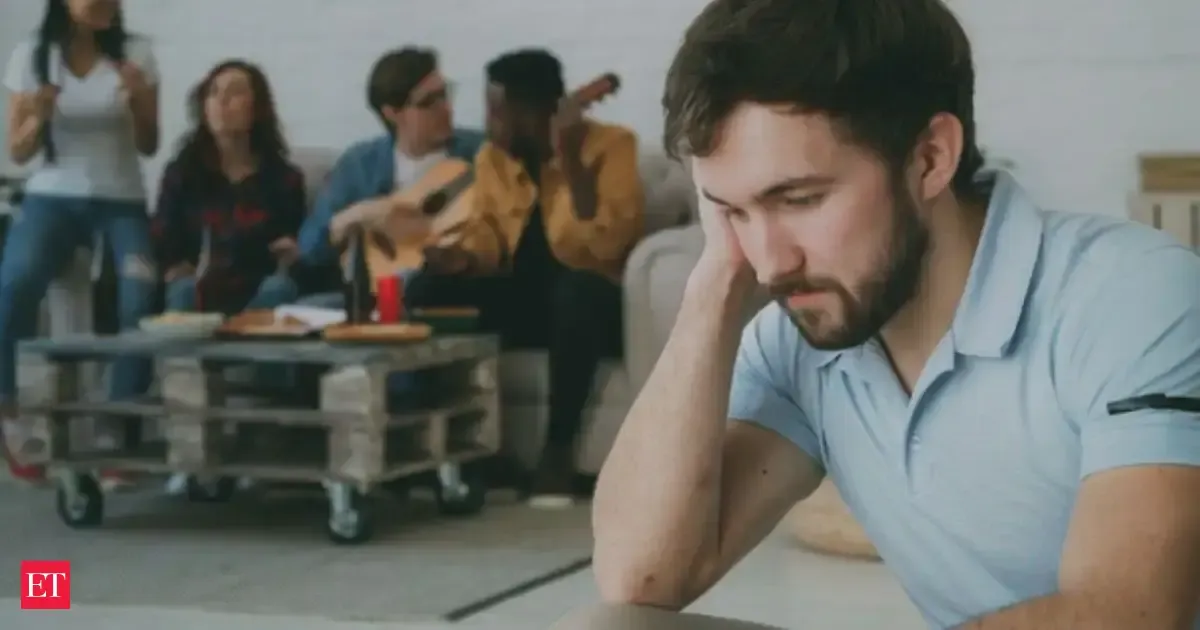
Psychological research suggests that as people age or reduce social media sharing, these behaviors often reflect increased selectivity and intentionality rather than withdrawal or unfriendliness. Aging individuals may prioritize meaningful relationships and personal energy, while those posting less online often seek privacy, emotional safety, and internal validation. These shifts indicate a focus on authentic connections and autonomy, challenging assumptions that declining invitations or reduced sharing signal social disengagement.

TBN's observations

First-hand measurement across 2 sources

We measured how 2 outlets covered this story. Coverage leans balanced overall (Left 0%, Centre 100%, Right 0%). Overall sentiment is positive (75/100). Lens Score 22/100 — low public interest.

Outlets analysed (first-hand measurement by TBN's Bias Engine):

  • economictimes— balanced framing, positive sentiment
  • economictimes— balanced framing, positive sentiment
Political Bias
0%100%0%
Sentiment
75%
AI analysis of 2 sources · Published under editorial oversight by The Balanced News
Analysed 24 Jun 2026· How this analysis is produced· Editorial standards· Corrections

AI Analysis

Political bias across 2 sources
● Left 0%● Center 100%● Right 0%

The articles present psychological perspectives without political framing, focusing on individual behavior and social dynamics. They emphasize personal autonomy and emotional well-being, reflecting neutral viewpoints centered on human development and social psychology rather than political ideologies or partisan interpretations.

Sentiment — Positive (75/100)

The overall tone is neutral to positive, highlighting personal growth and intentionality in social behavior. The coverage avoids negative connotations of withdrawal, instead framing changes in social engagement as thoughtful and beneficial, promoting understanding rather than judgment.

How 2 sources covered this story

Each source's own headline, political lean, and sentiment — so you can see framing differences at a glance.

Reviewed byAniket Awate· Culture & Digital Media Writer· Edited byOjas Kale
← Previous
Punjabi Scholar Dr Harbans Singh Dhiman Dies Following Car Accident Injuries
Next →
Psychology Explains Motivations Behind Common Habits and Lifestyle Choices
SourceTheir headlineBiasSentiment
economictimesPsychology says people who decline invitations more often as they get older may not be becoming unfriendly: Here's why they may be becoming more selectiveCenterPositive
economictimesPsychology says people who stop posting their personal lives on social media aren't antisocial; they may be becoming more secureCenterPositive

Coverage timeline

economictimes broke this story on 24 Jun, 06:41 pm. Other outlets followed.

  1. 1
    economictimes24 Jun, 06:41 pm
    Psychology says people who stop posting their personal lives on social media aren't antisocial; they may be becoming more secure
  2. 2
    economictimes24 Jun, 08:42 pm
    Psychology says people who decline invitations more often as they get older may not be becoming unfriendly: Here's why they may be becoming more selective

Lens Score breakdown

22/100
Public interest0/100
Coverage gap100%

Well-covered story — coverage matches public importance.

Story context

Category
Social
Location
United States
Sources analysed
2
Last analysed
24 Jun 2026
Key entities
PsychologistPsychologyAutonomySelf-determination theoryWell-beingEdward L. DeciAnti-social behaviourFilm criticismFamily valuesParentingPerceptionWilliam Shakespeare