Delhi Housing Developments Highlight Social Divisions and Urban Design Challenges
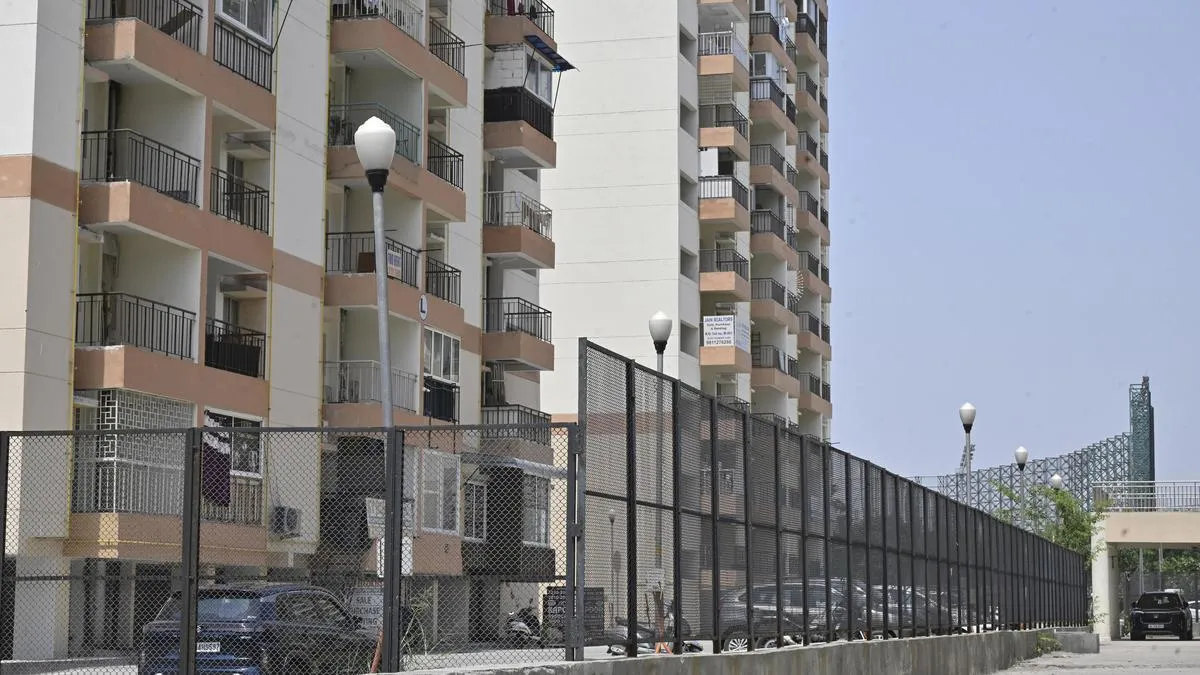
Delhi's housing landscape reflects contrasting approaches to urban living. In Dwarka Greens, a DDA colony, a partially erected fence divides economically weaker section residents from low- and middle-income groups, sparking a dispute over shared community spaces. Meanwhile, across Delhi, new residential constructions follow a 2011 directive mandating stilt-based designs, leading to sealed, fortress-like homes that isolate residents from their environment, reflecting broader challenges in urban integration and design.
First-hand measurement across 2 sources
We measured how 2 outlets covered this story. Coverage leans balanced overall (Left 50%, Centre 50%, Right 0%). Overall sentiment is negative (32/100). Lens Score 30/100 — low public interest.
Outlets analysed (first-hand measurement by TBN's Bias Engine):
- thehindu— left-leaning framing, neutral sentiment
- hindustantimes— balanced framing, negative sentiment
AI Analysis
The articles present perspectives focusing on urban planning and social equity without explicit political alignment. One highlights a local dispute involving government housing policies and resident divisions, while the other critiques broader municipal regulations affecting housing design. Both sources emphasize structural and social issues, reflecting concerns common across political viewpoints rather than partisan framing.
The tone across the articles is largely critical and reflective, emphasizing challenges and tensions in Delhi's housing environment. Coverage points to social divisions and design shortcomings without overt negativity or optimism, maintaining a measured and analytical approach to urban development issues.
How 2 sources covered this story
Each source's own headline, political lean, and sentiment — so you can see framing differences at a glance.