Declining Reservoirs and Climate Variability Raise Water Security Concerns in India
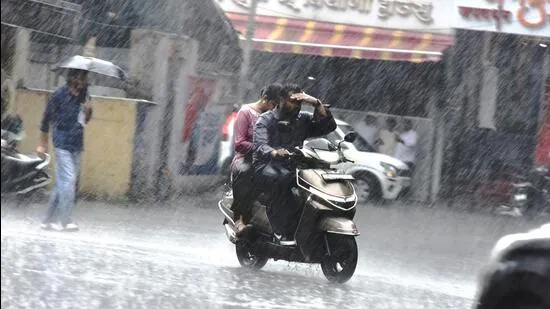
India faces a growing water crisis as reservoir levels decline sharply ahead of the monsoon, with Maharashtra particularly vulnerable due to potential below-normal rainfall linked to El Niño. While recent years of adequate rainfall led to complacency and increased water demand, experts warn that insufficient preparation and climate variability threaten water security. Authorities have begun emergency measures like water cuts, but long-term conservation and infrastructure improvements remain critical to address shrinking reservoirs, groundwater depletion, and stressed river basins nationwide.
First-hand measurement across 2 sources
We measured how 2 outlets covered this story. Coverage leans balanced overall (Left 15%, Centre 80%, Right 5%). Overall sentiment is neutral (38/100). Lens Score 33/100 — low public interest.
Outlets analysed (first-hand measurement by TBN's Bias Engine):
- hindustantimes— balanced framing, neutral sentiment
- thestatesman— balanced framing, negative sentiment
AI Analysis
The articles present a largely neutral perspective focused on environmental and administrative challenges without partisan framing. They highlight government actions such as water cuts and monitoring by official agencies, while also emphasizing expert warnings about climate impacts and resource management. Both sources underscore systemic issues rather than attributing blame to specific political actors, reflecting a consensus on the urgency of water management.
The overall tone is cautionary and concerned, reflecting the seriousness of the water shortage and climate stress. While there is some optimism about recent rainfall in Maharashtra, the coverage emphasizes risks, deficiencies in planning, and the potential for worsening conditions. The sentiment is balanced, combining factual reporting of current measures with warnings about future challenges, without sensationalism or undue alarm.