Skip to content
Get the Balanced News app for a better experience!
The Balanced News Logo
Analytics
The Balanced News Logo

Stay Balanced, Stay Informed

Menu
  • Browse News
  • Underreported Stories
  • Curated Feeds
  • Insights
  • Analytics
  • Our Writers
  • About Us
  • Download App
Learn
  • How It Works
  • Bias Detection
  • Lens Score
  • Source Bias Checker
  • Accountability
  • Custom Feeds
Newsroom
  • Writers & Analysts
  • About TBN
  • Editorial Standards
  • Corrections Policy
  • Our Partners
  • Insights
Socials
  • Youtube
  • Instagram
  • X
  • Facebook
News Categories
  • Trending
  • Politics
  • Sports
  • Business
  • Tech
  • Entertainment
  • Health
  • Science
  • Crime
  • Lifestyle
  • National
  • International
  • Good News
  • Crypto

Get Our App

Available for iOS and Android


LensFeedsInsightsAnalyticsTrendingGood NewsSportsPoliticsBusinessCrimeTechEntertainmentHealthNationalInternational

© 2026 The Balanced News. All rights reserved.

About UsEditorial StandardsCorrectionsHelp & SupportPrivacy PolicyTerms & Conditions
Ancient Roman Poets and Philosophers Reflect on Desire, Anxiety, and Contentment
Categories

Categories

Related Coverage

Select a news story to see related coverage from other media outlets.

Related Coverage

Select a news story to see related coverage from other media outlets.

  1. Home
  2. /
  3. social

Ancient Roman Poets and Philosophers Reflect on Desire, Anxiety, and Contentment

Analysed 26 May 2026·4 sources analysed·Sulmona, Italy·social
Ancient Roman Poets and Philosophers Reflect on Desire, Anxiety, and ContentmentPreviousNext

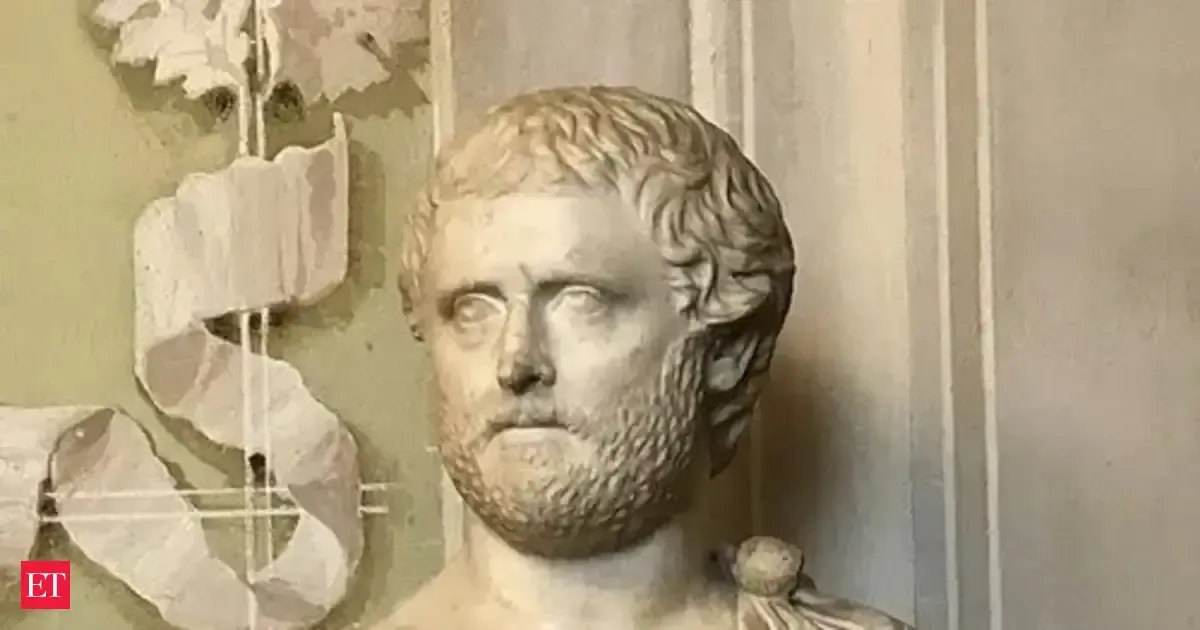
Ancient Roman poets and philosophers like Ovid, Virgil, Seneca, and Lucretius offer timeless reflections on human emotions, desire, and contentment. Their quotes explore themes of mental freedom, the nature of ambition, the impact of fear and anticipation, and the value of inner peace over material wealth. Despite being written nearly two millennia ago, these insights remain relevant today, addressing modern struggles with anxiety, obsession, and the pursuit of happiness.

Political Bias
0%100%0%
Sentiment
71%
AI analysis of 4 sources · Published under editorial oversight by The Balanced News
Analysed 26 May 2026· How this analysis is produced· Editorial standards· Corrections

AI Analysis

Political bias across 4 sources
● Left 0%● Center 100%● Right 0%

The article group presents classical philosophical and poetic perspectives without political framing. The sources focus on universal human experiences and emotions, avoiding contemporary political contexts or partisan viewpoints. The coverage emphasizes historical and cultural insights from Roman figures, maintaining neutrality by not linking these reflections to current political ideologies or debates.

Sentiment — Positive (71/100)

The overall tone across the articles is contemplative and reflective, highlighting enduring wisdom rather than emotional extremes. The sentiment is largely neutral to positive, focusing on understanding human nature and offering philosophical guidance. There is no sensationalism or negativity; instead, the coverage encourages thoughtful consideration of mental well-being and personal fulfillment.

How 4 sources covered this story

← Previous
Archaeologist Shereen Ratnagar, Expert on Harappan Civilization, Dies at 82
Next →
Dawoodi Bohra Community in Bhopal Observes Bakrid with Prayers and Peaceful Gatherings

Each source's own headline, political lean, and sentiment — so you can see framing differences at a glance.

SourceTheir headlineBiasSentiment
economictimesQuote of the Day by Ovid: 'Happy is the man who has broken...'- the canonical Roman poet's timeless quote about breaking free from fear still speaks to modern anxiety and emotional exhaustionCenterPositive
economictimesQuote of the Day by Virgil: 'Do the gods light this fire in our hearts or does...'- Ancient Roman poet's haunting quote about desire still explains why people lose themselves chasing what they wantCenterNeutral
economictimesQuote of the day by Seneca: 'He suffers more than necessary, who suffers before it...' The Roman philosopher's powerful warning about fear, stress and mental suffering explains why people exhaust themselves before problems arriveCenterPositive
economictimesQuote of the Day by Ancient Roman poet Lucretius: "The greatest wealth is to live content with..." - Inspiring lessons on human nature, simplicity, gratitude and why happiness comes from within by the philosopher known for deep reflections of human desireCenterPositive

Coverage timeline

economictimes broke this story on 25 May, 09:53 pm. Other outlets followed.

  1. 1
    economictimes25 May, 09:53 pm
    Quote of the Day by Ancient Roman poet Lucretius: "The greatest wealth is to live content with..." - Inspiring lessons on human nature, simplicity, gratitude and why happiness comes from within by the philosopher known for deep reflections of human desire
  2. 2
    economictimes26 May, 03:03 pm
    Quote of the day by Seneca: 'He suffers more than necessary, who suffers before it...' The Roman philosopher's powerful warning about fear, stress and mental suffering explains why people exhaust themselves before problems arrive
  3. 3
    economictimes26 May, 03:39 pm
    Quote of the Day by Virgil: 'Do the gods light this fire in our hearts or does...'- Ancient Roman poet's haunting quote about desire still explains why people lose themselves chasing what they want
  4. 4
    economictimes26 May, 04:32 pm
    Quote of the Day by Ovid: 'Happy is the man who has broken...'- the canonical Roman poet's timeless quote about breaking free from fear still speaks to modern anxiety and emotional exhaustion

Lens Score breakdown

22/100
Public interest0/100
Coverage gap90%

Well-covered story — coverage matches public importance.

Story context

Category
Social
Location
Sulmona, Italy
Sources analysed
4
Last analysed
26 May 2026
Key entities
Common EraAncient RomePoetryPhilosophyRomePsychologyAnxietyExileItalyMythAugustusStoicism