Taliban Restrictions Halt Female Academics’ Participation in Afghanistan
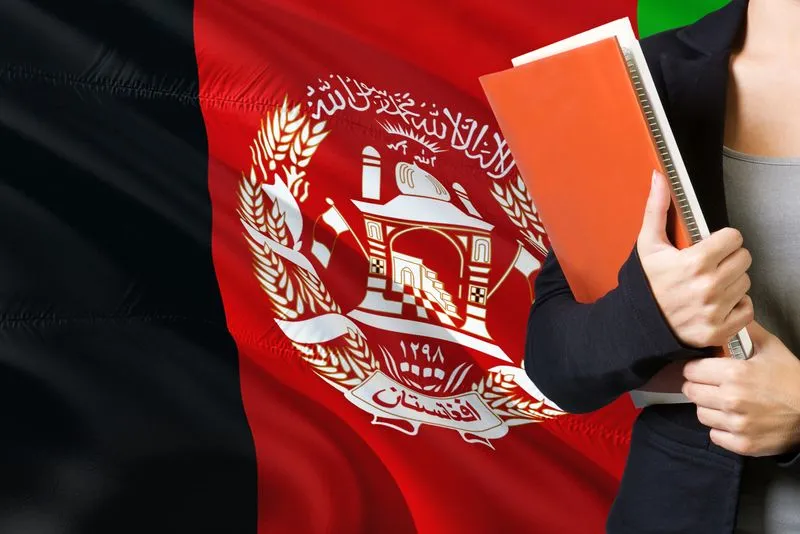
Since the Taliban regained control of Afghanistan in August 2021, female academics have faced severe restrictions, including being barred from universities and most employment. Interviews with 12 Afghan female academics reveal the reversal of progress made since 2001, when female higher education participation grew significantly. By late 2022, girls' education beyond age 12 was banned, and women faced travel and dress code restrictions. These changes have deeply affected women’s personal and professional lives amid Afghanistan’s low Human Development Index ranking.
First-hand measurement across 2 sources
We measured how 2 outlets covered this story. Coverage leans left-leaning overall (Left 70%, Centre 25%, Right 5%). Overall sentiment is negative (28/100). Lens Score 28/100 — low public interest.
Outlets analysed (first-hand measurement by TBN's Bias Engine):
- thetribune— left-leaning framing, negative sentiment
- news18— left-leaning framing, negative sentiment
AI Analysis
The articles present perspectives focused on the impact of Taliban policies on women’s education and employment without endorsing any political stance. They highlight the contrast between progress during the US-led intervention and the subsequent rollback under Taliban rule, reflecting concerns about human rights and gender equality. The coverage centers on personal testimonies and factual developments, representing the experiences of affected female academics.
The tone across the articles is predominantly somber and critical, emphasizing the negative consequences of Taliban policies on women’s academic and professional lives. Personal accounts convey distress and loss, while statistical data underscores the scale of regression. The sentiment reflects concern and empathy for the affected women, without sensationalism or overt emotional language.