Skip to content
Get the Balanced News app for a better experience!
The Balanced News Logo
Analytics
The Balanced News Logo

Stay Balanced, Stay Informed

Menu
  • Browse News
  • Underreported Stories
  • Curated Feeds
  • Insights
  • Analytics
  • Our Writers
  • About Us
  • Download App
Learn
  • How It Works
  • Bias Detection
  • Lens Score
  • Source Bias Checker
  • Accountability
  • Custom Feeds
Newsroom
  • Writers & Analysts
  • About TBN
  • Editorial Standards
  • Corrections Policy
  • Our Partners
  • Insights
Socials
  • Youtube
  • Instagram
  • X
  • Facebook
News Categories
  • Trending
  • Politics
  • Sports
  • Business
  • Tech
  • Entertainment
  • Health
  • Science
  • Crime
  • Lifestyle
  • National
  • International
  • Good News
  • Crypto

Get Our App

Available for iOS and Android


LensFeedsInsightsAnalyticsTrendingGood NewsSportsPoliticsBusinessCrimeTechEntertainmentHealthNationalInternational

© 2026 The Balanced News. All rights reserved.

About UsEditorial StandardsCorrectionsHelp & SupportPrivacy PolicyTerms & Conditions
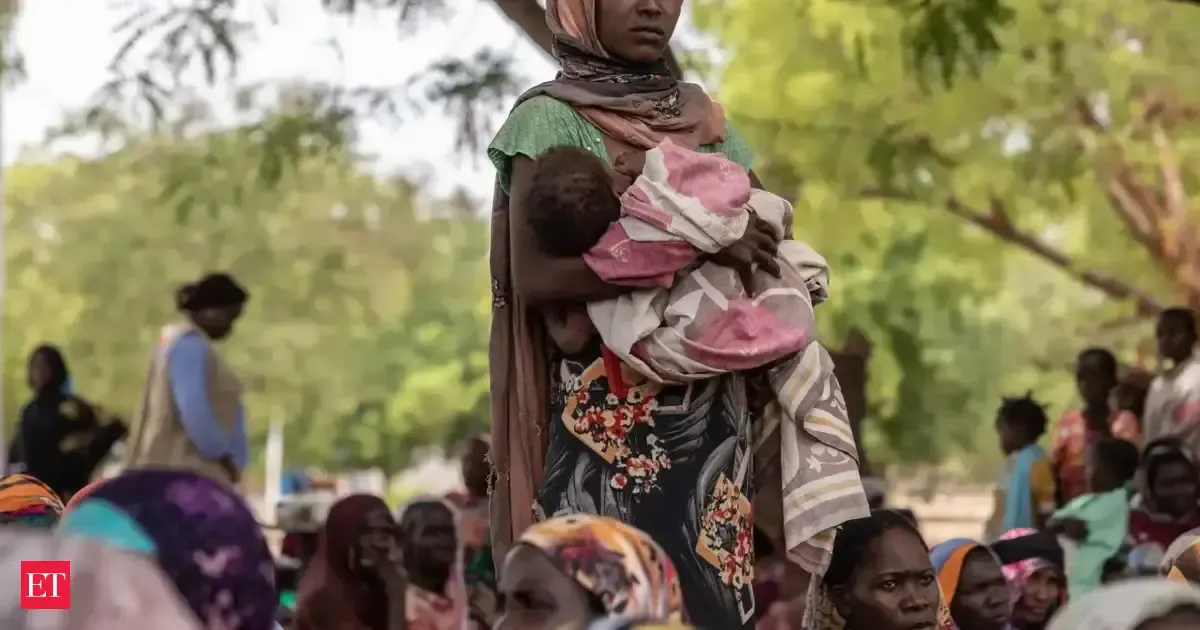
Conflict and Aid Cuts Increase Childbirth Risks in Central African Republic
Categories

Categories

Related Coverage

Select a news story to see related coverage from other media outlets.

Related Coverage

Select a news story to see related coverage from other media outlets.

  1. Home
  2. /
  3. social

Conflict and Aid Cuts Increase Childbirth Risks in Central African Republic

Reviewed byAniket Awate· Culture & Digital Media Writer· Edited byOjas Kale
Analysed 2 Jun 2026·2 sources analysed·Birao, Central African Republic·social
Conflict and Aid Cuts Increase Childbirth Risks in Central African RepublicPreviousNext

Women in the Central African Republic face high maternal mortality amid ongoing conflict and weakened health systems. Displacement and aid cuts have reduced access to prenatal and childbirth care, forcing some, like Maude Ahmad Fadala, to give birth without medical assistance. The country’s maternal death rate is 40 times higher than in the US, with 829 deaths per 100,000 births. The government plans increased spending on skilled birth attendants, but humanitarian funding cuts pose challenges to improving maternal health services.

TBN's observations

First-hand measurement across 2 sources

We measured how 2 outlets covered this story. Coverage leans left-leaning overall (Left 70%, Centre 30%, Right 0%). Overall sentiment is negative (25/100). Lens Score 34/100 — low public interest.

Outlets analysed (first-hand measurement by TBN's Bias Engine):

  • economictimes— left-leaning framing, negative sentiment
  • news18— left-leaning framing, negative sentiment
Political Bias
70%30%0%
Sentiment
25%
AI analysis of 2 sources · Published under editorial oversight by The Balanced News
Analysed 2 Jun 2026· How this analysis is produced· Editorial standards· Corrections

AI Analysis

Political bias across 2 sources
● Left 70%● Center 30%● Right 0%

The articles present perspectives focusing on humanitarian and health challenges without political partisanship. They highlight the impact of conflict and aid reductions on maternal health, referencing international organizations and government plans. The coverage includes both the struggles faced by displaced women and official responses, maintaining a neutral stance on political actors involved.

Sentiment — Negative (25/100)

The tone across the articles is somber and urgent, emphasizing the severe risks and hardships faced by pregnant women in conflict zones. While highlighting government efforts to address maternal mortality, the coverage underscores ongoing challenges due to aid cuts, resulting in a predominantly serious and concerned sentiment without overt optimism or pessimism.

How 2 sources covered this story

Each source's own headline, political lean, and sentiment — so you can see framing differences at a glance.

← Previous
Bhamla Foundation Launches Women-Led Green Mobility Initiative with Pink E-Rickshaws
Next →
Taliban Restrictions Halt Female Academics’ Participation in Afghanistan
SourceTheir headlineBiasSentiment
economictimes'I gave birth in the street': Conflict makes childbirth risky in parts of AfricaLeftNegative
news18'I gave birth in street': Conflict makes childbirth risky in parts of AfricaLeftNegative

Coverage timeline

news18 broke this story on 2 Jun, 07:47 am. Other outlets followed.

  1. 1
    news182 Jun, 07:47 am
    'I gave birth in street': Conflict makes childbirth risky in parts of Africa
  2. 2
    economictimes2 Jun, 09:33 am
    'I gave birth in the street': Conflict makes childbirth risky in parts of Africa

Lens Score breakdown

34/100
Public interest0/100
Coverage gap100%

Well-covered story — coverage matches public importance.

Accountability flags

TBN's analysis identified the following accountability dimensions in this story.

  • systemic failure

    This story points to a failure in institutional processes — regulation, safety, oversight, or service delivery breaking down at scale.

  • public safety issue

    This story involves a risk to public safety — infrastructure failure, regulatory lapse, hazardous conditions, or emergency mishandling.

Who's involved

Institutions and figures named across source coverage.

Government
Central African Republic Government

Story context

Category
Social
Location
Birao, Central African Republic
Sources analysed
2
Last analysed
2 Jun 2026
Key entities
Maternal deathChildbirthUnited NationsCentral African RepublicMidwifeHealth carePregnancyHealth systemBiraoUnited StatesSudanTyphoid fever