2026 Indian Subcontinent Heatwave Causes Thousands of Deaths Amid Rising Temperatures
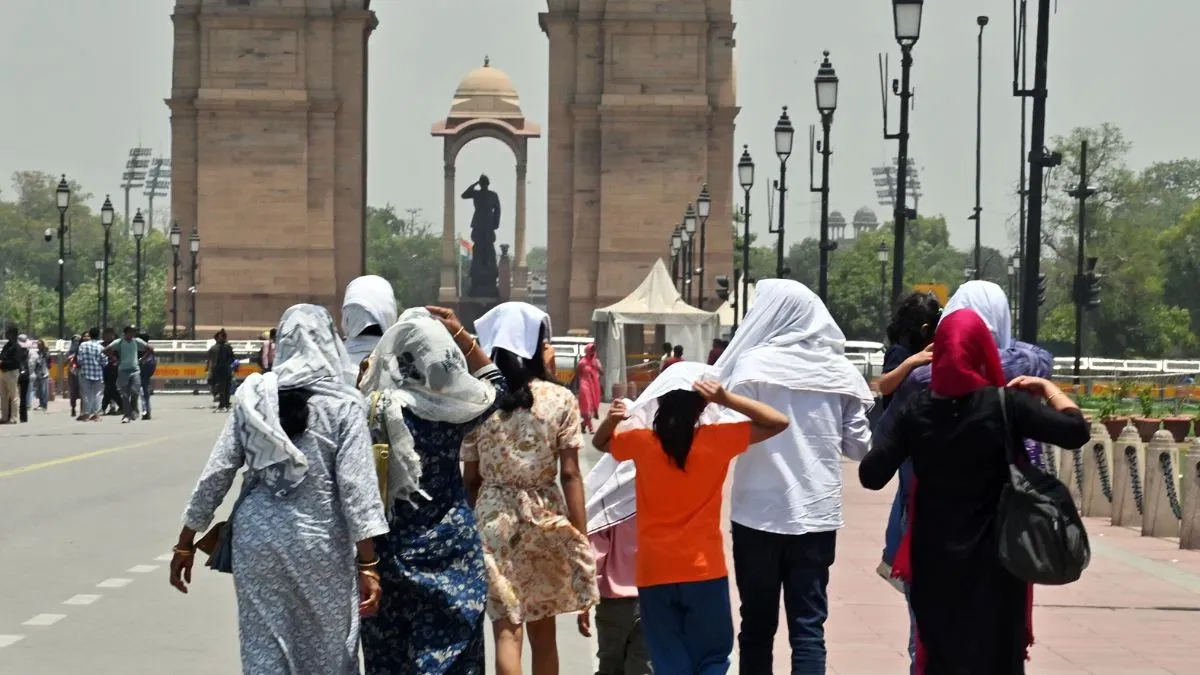
The Indian subcontinent experienced a severe heatwave in 2026, with temperatures exceeding 45°C in many regions, causing thousands of deaths. Persistent high-pressure systems trapped heat, while urban areas remained hot overnight due to concrete surfaces. Studies estimate that a single day of extreme heat could cause around 3,400 excess deaths nationwide, with longer heatwaves potentially causing tens of thousands. Climate change is increasing the frequency and intensity of such events, disproportionately affecting vulnerable groups like farmers and outdoor workers.
First-hand measurement across 2 sources
We measured how 2 outlets covered this story. Coverage leans balanced overall (Left 10%, Centre 88%, Right 2%). Overall sentiment is negative (30/100). Lens Score 21/100 — low public interest.
Outlets analysed (first-hand measurement by TBN's Bias Engine):
- indiatoday— balanced framing, negative sentiment
- theprint— balanced framing, negative sentiment
AI Analysis
The articles present a largely scientific and humanitarian perspective, focusing on the causes and impacts of the heatwave without political framing. They highlight climate change as a key factor, reflecting a consensus in environmental research. The coverage includes government-issued heat alerts and public health concerns but does not emphasize political blame or policy debates, maintaining a neutral stance.
The overall tone is serious and cautionary, emphasizing the deadly consequences of extreme heat and the growing threat posed by climate change. While the coverage is somber due to the human toll, it remains factual and avoids sensationalism. The sentiment reflects concern for vulnerable populations and the urgency of addressing heat-related risks.
How 2 sources covered this story
Each source's own headline, political lean, and sentiment — so you can see framing differences at a glance.