Pride Month Originates from 1969 Stonewall Riots, Celebrated Globally Each June
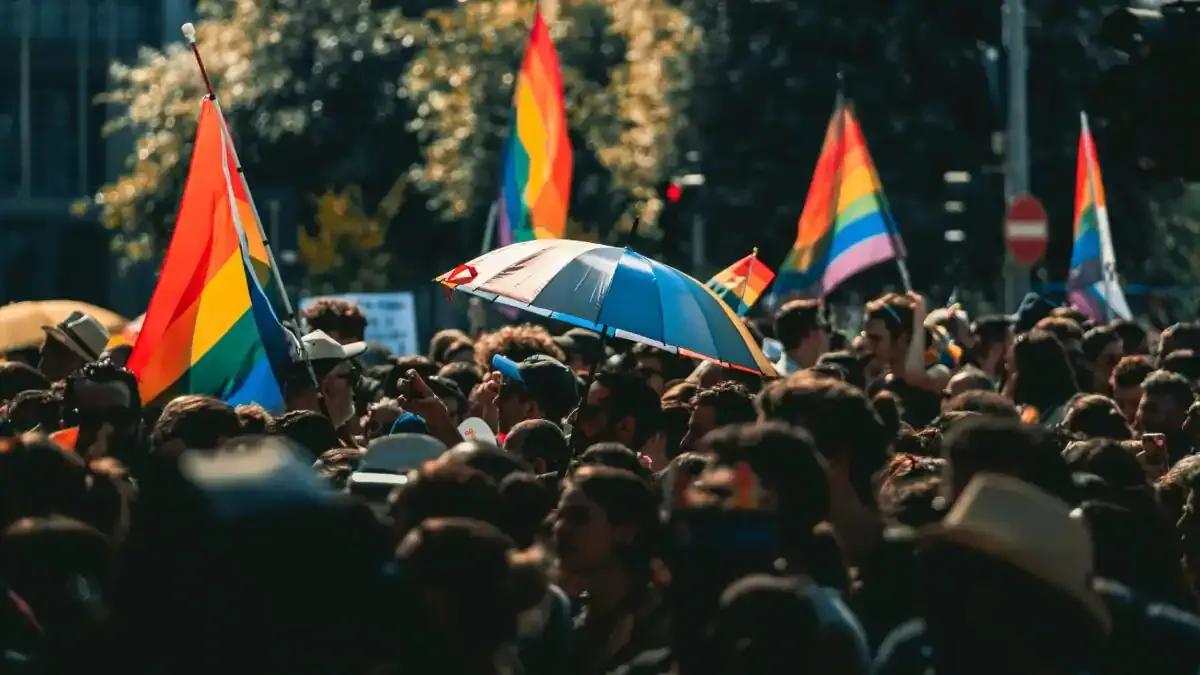
Pride Month, celebrated every June, honors the LGBTQ community's history, diversity, and ongoing fight for equality. It originated from the Stonewall riots on June 28, 1969, in New York City, where police raids sparked protests that became a turning point for LGBTQ rights. The first Pride marches followed in 1970, commemorating this event. The Rainbow Flag, created in 1978 by Gilbert Baker, symbolizes diversity and acceptance. Pride Month includes global events promoting visibility, inclusion, and social justice.
First-hand measurement across 3 sources
We measured how 3 outlets covered this story. Coverage leans balanced overall (Left 47%, Centre 53%, Right 0%). Overall sentiment is positive (72/100). Lens Score 23/100 — low public interest.
Outlets analysed (first-hand measurement by TBN's Bias Engine):
- republicworld— left-leaning framing, positive sentiment
- firstpost— left-leaning framing, neutral sentiment
- freepressjournal— balanced framing, positive sentiment
AI Analysis
The articles collectively present a historical and cultural perspective on Pride Month without partisan framing. They emphasize the LGBTQ community's struggle for rights and recognition, referencing official designations and symbolic elements like the Rainbow Flag. The coverage includes government acknowledgment and grassroots activism, reflecting a broad, inclusive viewpoint focused on civil rights and social progress.
The overall tone across the articles is positive and celebratory, highlighting resilience, visibility, and community strength. While acknowledging past struggles and discrimination, the sentiment centers on progress, unity, and ongoing advocacy. The language is respectful and uplifting, aiming to inform and honor the significance of Pride Month without sensationalism.
How 3 sources covered this story
Each source's own headline, political lean, and sentiment — so you can see framing differences at a glance.