Water Scarcity Impacts Communities in Maharashtra and Uttar Pradesh with Varied Responses
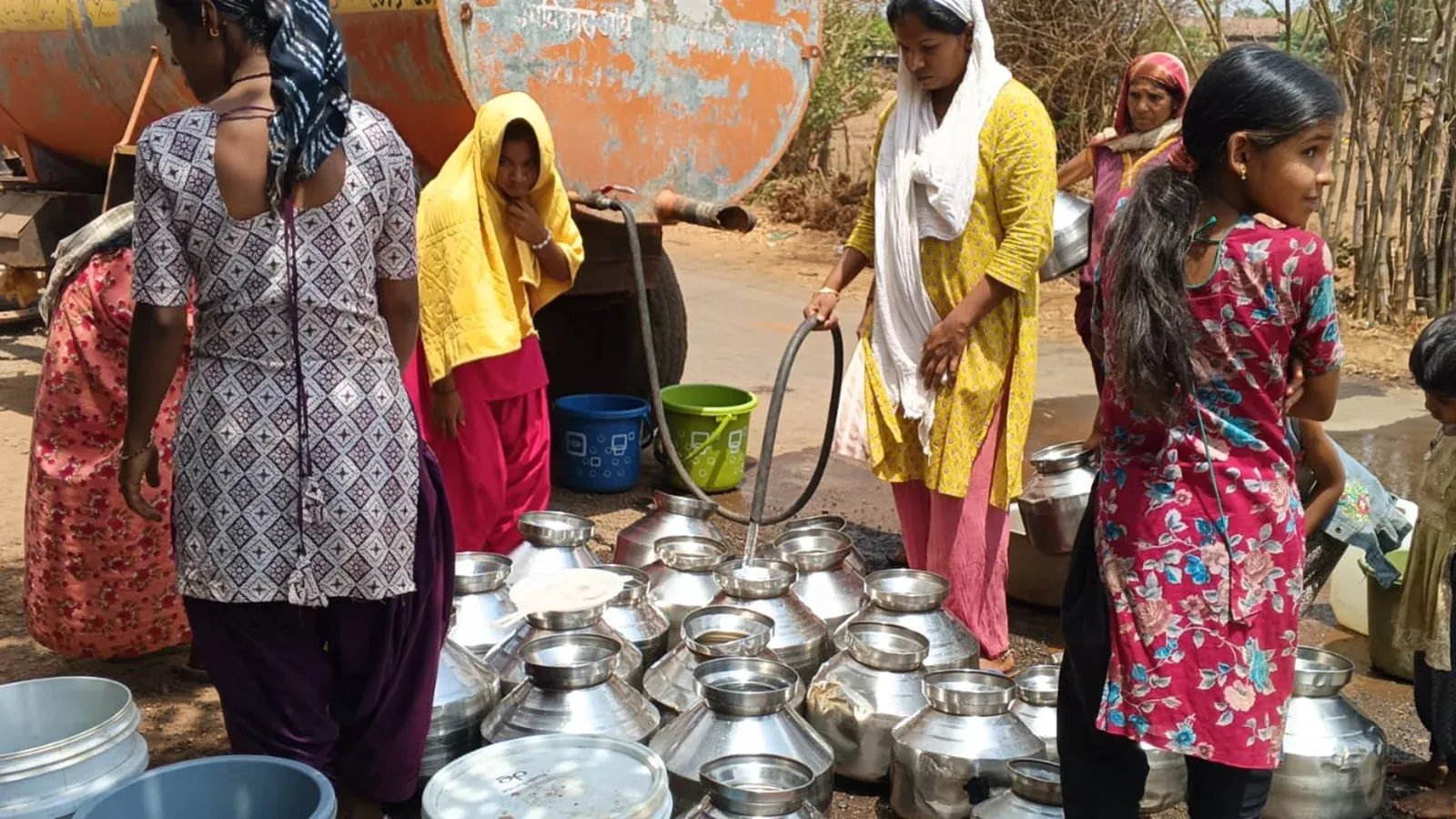
In Maharashtra's Nandurbar district, water tankers have begun supplying remote tribal villages after reports highlighted health issues among women caused by carrying heavy water loads daily. This intervention followed discussions between the Union Ministry of Jal Shakti and state authorities aiming for long-term water security. Meanwhile, in Uttar Pradesh's Mahoba district, the village of Mudhara faces a persistent water crisis despite government infrastructure projects, leading to social consequences such as young men remaining unmarried due to the village's lack of reliable water supply.
First-hand measurement across 2 sources
We measured how 2 outlets covered this story. Coverage leans balanced overall (Left 30%, Centre 65%, Right 5%). Overall sentiment is neutral (45/100). Lens Score 36/100 — moderate-to-low public interest.
Outlets analysed (first-hand measurement by TBN's Bias Engine):
- indiatoday— balanced framing, negative sentiment
- indianexpress— balanced framing, neutral sentiment
AI Analysis
The articles present perspectives highlighting government actions and shortcomings. The Maharashtra report emphasizes government responsiveness following media exposure, reflecting a positive administrative response. The Uttar Pradesh report focuses on unfulfilled government promises and local grievances, portraying administrative failures. Both viewpoints are represented without overt judgment, illustrating differing regional governance challenges.
The overall tone is mixed, combining concern over ongoing water scarcity and its social and health impacts with cautious optimism about recent government interventions in Maharashtra. The Uttar Pradesh coverage conveys frustration and disappointment due to unmet infrastructure promises, while the Maharashtra piece reflects relief among villagers receiving water tankers. This blend of concern and tentative progress shapes the sentiment.