Health Officials Monitor Infectious Disease Risks During FIFA World Cup in North America
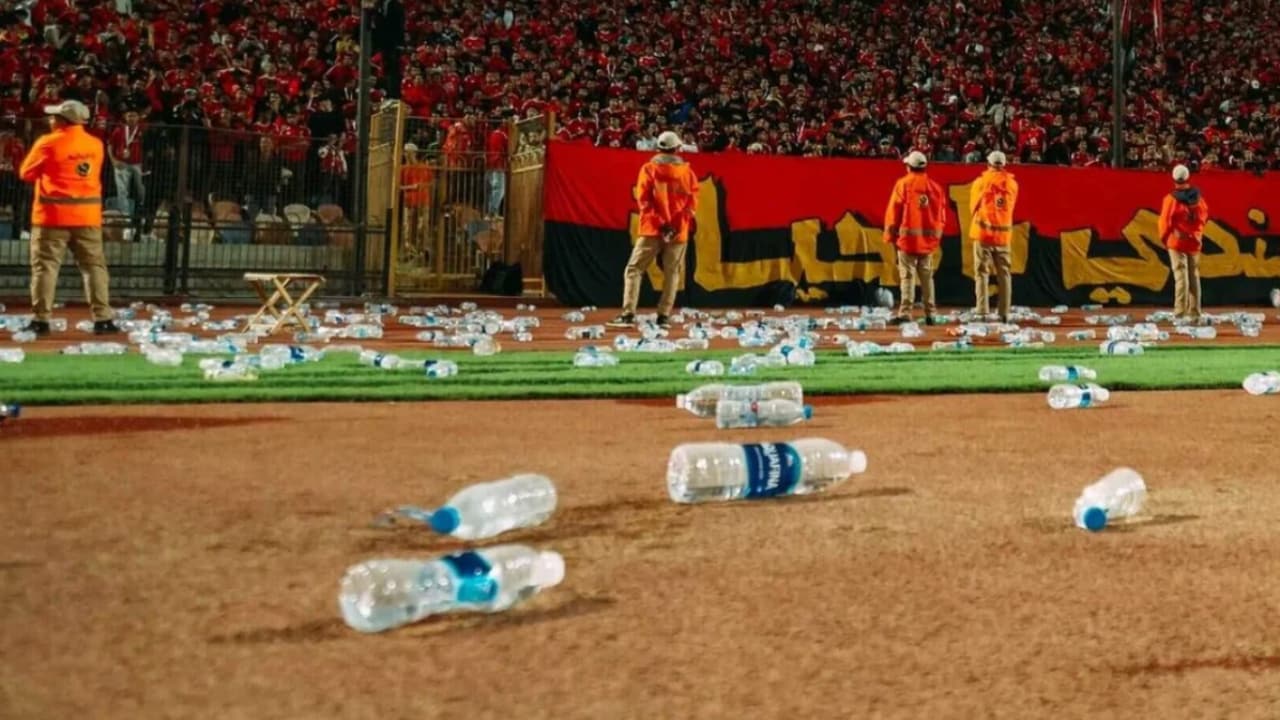
As the FIFA World Cup unfolds across 16 North American cities, health officials are closely monitoring for infectious diseases like measles, norovirus, and dengue fever amid large crowds. Surveillance efforts include analyzing wastewater, hospital visits, and social media for early outbreak signs. These precautions come amid challenges such as a heatwave, ongoing Ebola and hantavirus outbreaks, and limited resources due to prior staffing cuts at the CDC. Collaborative centers like Georgetown's Health Security Operations Center support data analysis to aid timely responses.
First-hand measurement across 2 sources
We measured how 2 outlets covered this story. Coverage leans balanced overall (Left 0%, Centre 100%, Right 0%). Overall sentiment is neutral (55/100). Lens Score 35/100 — moderate-to-low public interest.
Outlets analysed (first-hand measurement by TBN's Bias Engine):
- ndtv— balanced framing, neutral sentiment
- news18— balanced framing, neutral sentiment
AI Analysis
The articles present a largely neutral perspective focused on public health concerns during the World Cup. They note challenges faced by U.S. health agencies, including staffing cuts under the previous administration, without assigning blame. The coverage includes expert commentary and official sources, reflecting a balanced view of resource constraints and ongoing disease threats without partisan framing.
The overall tone is cautious and informative, emphasizing vigilance and preparedness rather than alarm. While acknowledging health risks and resource limitations, the articles highlight proactive monitoring efforts and collaboration among health organizations, resulting in a measured and pragmatic sentiment throughout the coverage.
How 2 sources covered this story
Each source's own headline, political lean, and sentiment — so you can see framing differences at a glance.