Conservation Efforts Revive Pygmy Hog Population in Assam, Now Critically Endangered
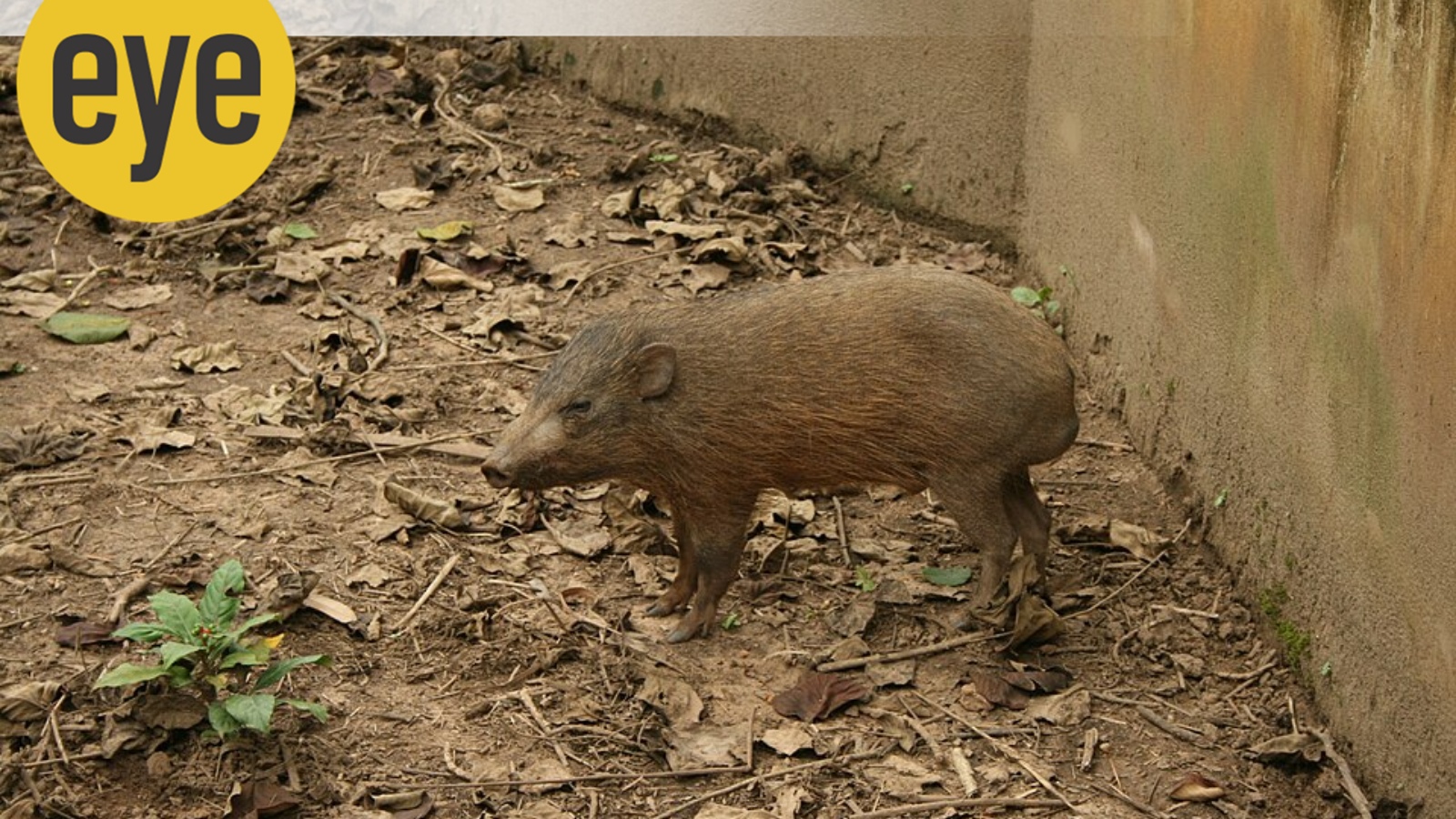
The pygmy hog, the world's smallest wild pig once thought extinct in the 1960s, has made a notable recovery through conservation efforts. In 1996, six individuals were captured from Assam's Manas National Park to establish a captive breeding program, leading to population growth and reintroduction initiatives. Recently, the species was designated 'critically endangered' under a central Indian wildlife scheme, aiming to enhance protection and funding. The pygmy hog is evolutionarily unique, living in small family groups and building grass nests year-round.
First-hand measurement across 2 sources
We measured how 2 outlets covered this story. Coverage leans balanced overall (Left 5%, Centre 93%, Right 2%). Overall sentiment is positive (75/100). Lens Score 28/100 — low public interest.
Outlets analysed (first-hand measurement by TBN's Bias Engine):
- hindustantimes— balanced framing, positive sentiment
- indianexpress— balanced framing, positive sentiment
AI Analysis
The articles present a primarily conservation-focused perspective, highlighting government and NGO roles in protecting the pygmy hog. They include official announcements and scientific viewpoints without partisan framing. The coverage emphasizes collaborative efforts between environmental authorities and conservationists, reflecting a neutral stance on policy and ecological priorities.
The tone across the articles is cautiously optimistic, celebrating the species' recovery while acknowledging ongoing threats. The narrative balances hope from successful breeding programs with the seriousness of the pygmy hog's critical status. Overall, the sentiment is positive regarding conservation achievements but measured in recognizing challenges ahead.
How 2 sources covered this story
Each source's own headline, political lean, and sentiment — so you can see framing differences at a glance.